Aller au contenu principal

Où dormir

Où dormir à Tel Aviv

Hôtels, maisons d'hôtes et auberges vérifiés, et un moyen rapide de chercher une location courte par quartier.

Adresses vérifiées

Hôtels, maisons d'hôtes et auberges

En ville ou à proximité, chacun avec sa source et la date de vérification. Je ne touche aucune commission de ces établissements.

Locations courtes

Chercher par quartier

Chaque bouton ouvre une recherche pour ce quartier sur Airbnb ou Booking.com dans un nouvel onglet. Rien n’est envoyé depuis ce site.

  • Tout Tel Aviv

    Pas encore sûr du quartier ? Commencez par toute la ville.

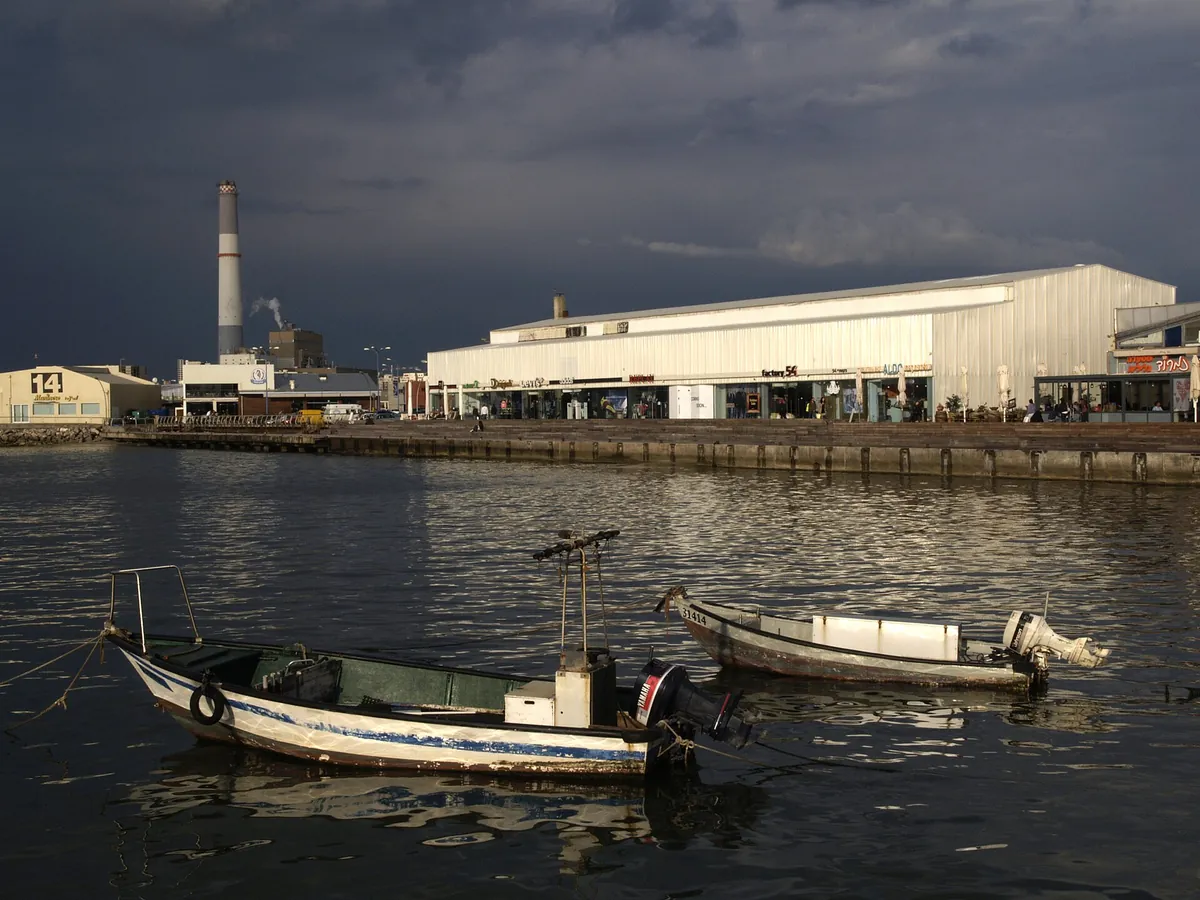
  • The Tel Aviv Port hangars and fishing boats on the Yarkon side, under a stormy sky

    Vieux Nord

    The Old North runs from Arlozorov Street up to the Yarkon River, between Ibn Gvirol Street and the sea, with tree-lined streets of 1930s and 1940s Bauhaus apartment buildings, the Basel Street cafes and the Tel Aviv Port. It is popular with families, including many English-speaking families, and several olim-friendly shuls are on or near Ben Yehuda Street.

    Photo: BergA, via Wikimedia Commons (nouvel onglet) · CC BY-SA 3.0 (nouvel onglet) · redimensionnée et convertie en WebP

  • Nouveau Nord

    The New North lies between Ibn Gvirol Street and Namir Road, from Shaul HaMelech Boulevard up to the Yarkon River, with wider streets, 1950s to 1980s apartment blocks and some newer towers. Kikar HaMedina, with its designer shops, Ichilov hospital, the Tel Aviv Museum of Art and the Performing Arts Center are all here.

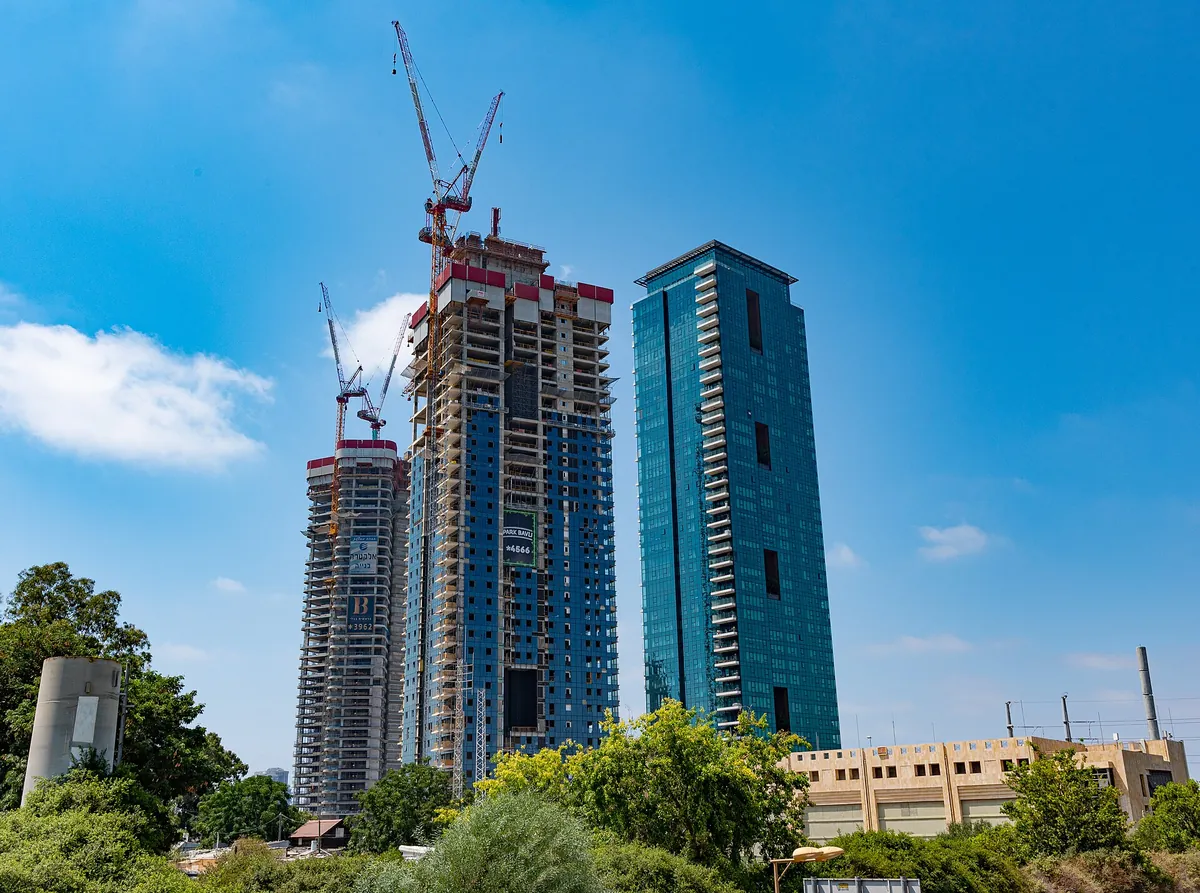
  • Park Bavli residential towers, one still under construction, above the trees of Bavli

    Bavli

    Bavli is a small, mostly residential neighborhood between Namir Road and the Ayalon Highway, with Yarkon Park to the north. Built from 1957, with luxury towers added since the 2000s, it is quiet, and most residents are upper-middle-class couples and families.

    Photo: Ynhockey, via Wikimedia Commons (nouvel onglet) · CC BY-SA 4.0 (nouvel onglet) · redimensionnée et convertie en WebP

  • Ramat Aviv

    Ramat Aviv, north of the Yarkon, was built from the 1950s and grew to include Neve Avivim, Ramat Aviv Gimmel and Ramat Aviv HaHadasha. It borders Tel Aviv University, the Eretz Israel Museum, the Palmach Museum and ANU - Museum of the Jewish People, and has two Masorti (Conservative) congregations.

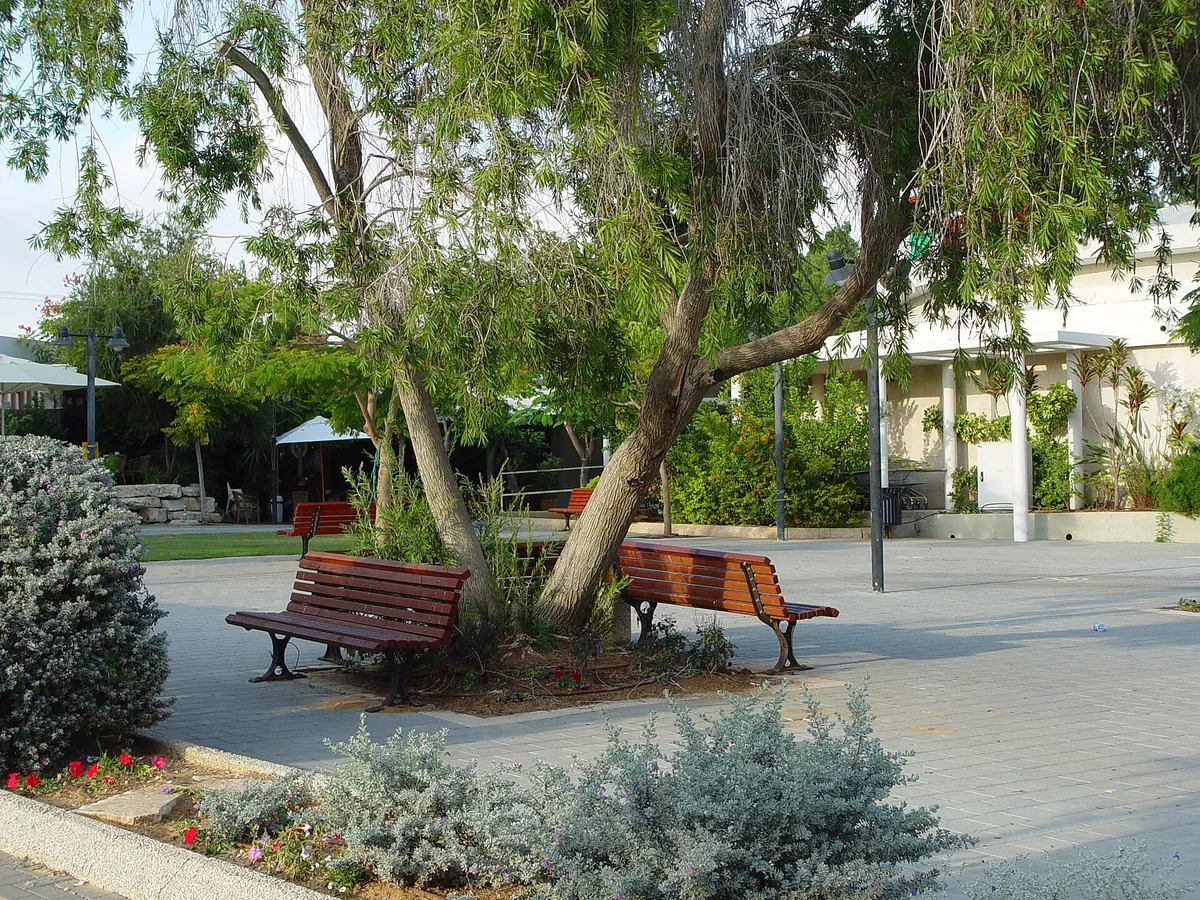
  • The shaded plaza of the Tzahala commercial center, with benches and trees

    Nord-Est (Tsahalah, Ramat ha-Hil)

    The northeast includes Tzahala, an upmarket neighborhood of villas founded in 1951 for IDF officers and veterans, and Ramat HaHayal, which mixes homes with a large high-tech office district and Assuta Medical Center. Neve Sharett and Hadar Yosef are also in this area.

    Photo: Etan J. Tal, via Wikimedia Commons (nouvel onglet) · CC BY 3.0 (nouvel onglet) · redimensionnée et convertie en WebP

  • Kokhav haTsafon et Tokhnit Lamed

    Just north of the Yarkon and the Tel Aviv Port, Kochav HaTzafon was built in the 1990s (high-rise towers with a few villas) and ranks among the city's most expensive areas, while Lamed was built mostly in the 1970s and was voted Israel's most loved urban neighborhood in a 2016 Walla! poll. The area has municipal kindergartens, a primary school and the Reading bus terminal nearby.

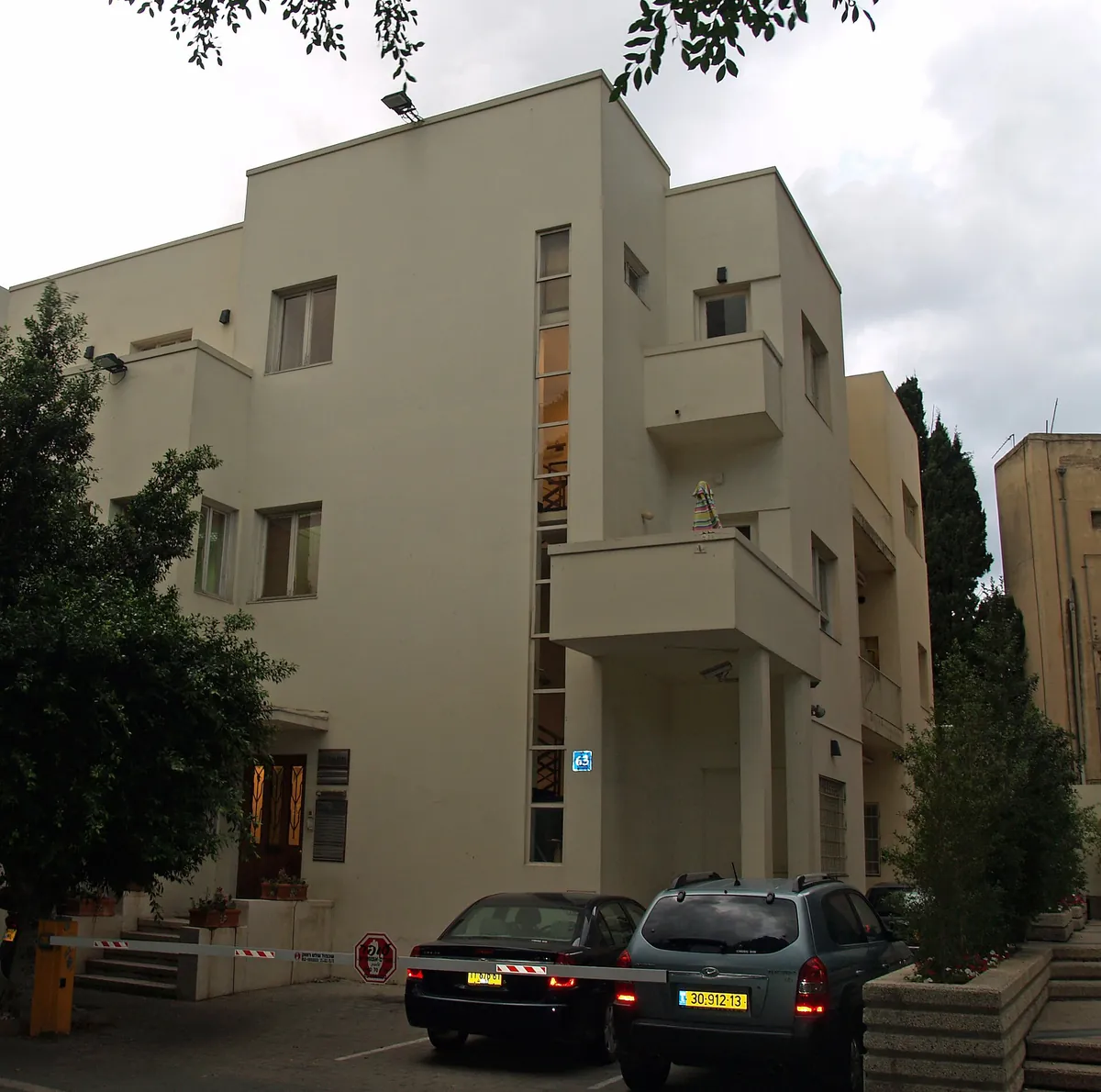
  • A Bauhaus apartment building at 63 Rothschild Boulevard, with its column of stairwell windows

    Centre-ville (Lev Ha'ir)

    Lev Ha'ir is the city center, where Tel Aviv began in 1909, around Rothschild Boulevard, Dizengoff Street and Habima Square, at the heart of the UNESCO-listed White City. It is lively at all hours, with restaurants, bars, Independence Hall and many Bauhaus buildings.

    Photo: David Shankbone, via Wikimedia Commons (nouvel onglet) · CC BY-SA 3.0 (nouvel onglet) · redimensionnée et convertie en WebP

  • Kerem HaTeimanim

    Kerem HaTeimanim, founded by Yemenite Jewish immigrants in 1906, is a grid of narrow streets beside the Carmel Market, close to the beach. It is largely religious and traditional, with Yemenite restaurants that close on Shabbat, and has seen many French and other foreign buyers in recent years.

  • Neve Tsedek

    Founded in the 1880s as the first Jewish neighborhood built outside Jaffa, Neve Tzedek has restored low-rise houses on narrow streets, boutiques and galleries, the Suzanne Dellal Centre and the Nachum Gutman Museum. It is one of the most expensive areas in the city and is popular with French-speaking expatriates.

  • Florentin

    Florentin, in south Tel Aviv, was built from the 1930s and is now known for street art, bars, cafes and artists' studios alongside its older garment and furniture workshops. Most residents are young adults, and rents are lower than in the center and north, though rising.

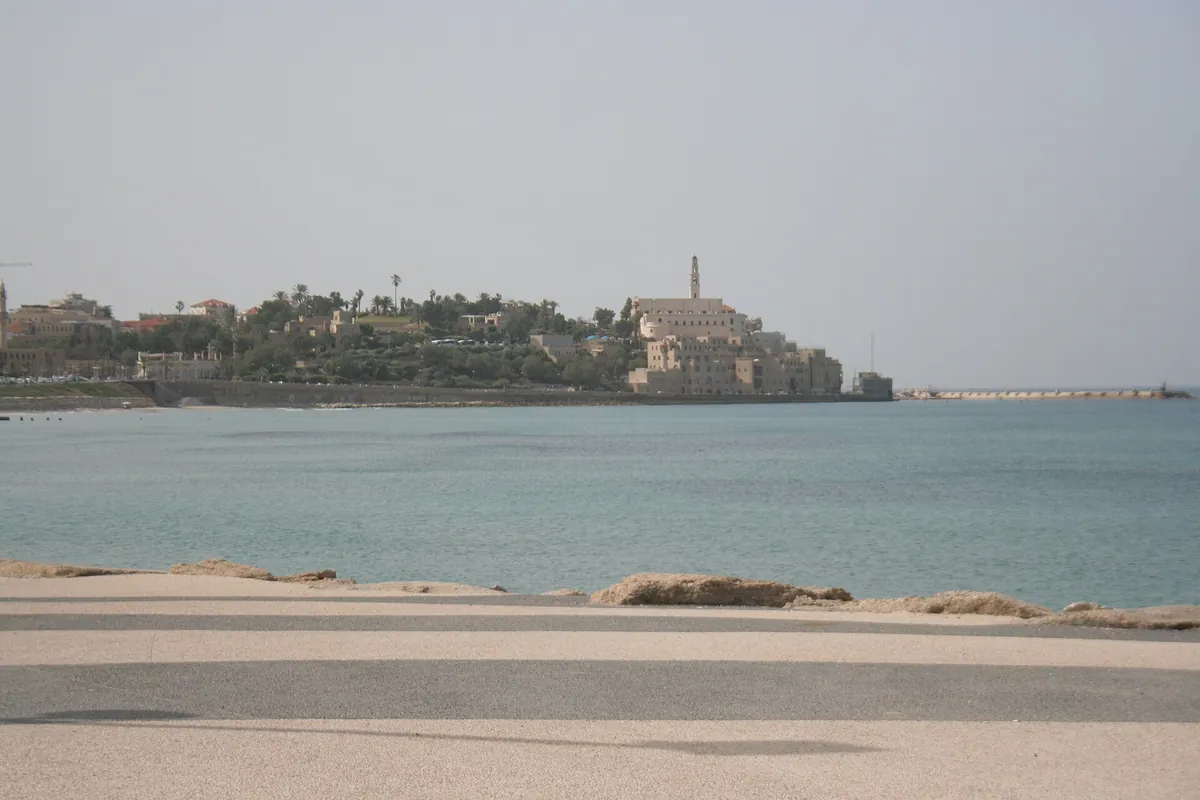
  • Old Jaffa on its hill across the bay, seen from the Tel Aviv promenade

    Jaffa

    Jaffa is the ancient port city that was joined with Tel Aviv in 1950, with Old Jaffa's alleys and galleries, the clock tower, the port and the flea market, plus residential areas such as Ajami and Jaffa D. About a third of its roughly 52,000 residents are Arab, and Jewish, Muslim and Christian communities live side by side.

    Photo: Ilan Costica, via Wikimedia Commons (nouvel onglet) · CC BY 3.0 (nouvel onglet) · redimensionnée et convertie en WebP

  • Sarona et Montefiore

    This central-east area includes Sarona, a German Templer colony founded in 1871 and restored as a shopping, dining and museum complex, next to the Kirya government and military compound and the Azrieli towers, plus the Montefiore neighborhood. The Nefesh B'Nefesh Tel Aviv Center is in the Azrieli Round Tower.

  • Yad Eliyahou

    Yad Eliyahu, in east Tel Aviv, was laid out from 1929 and later built up with housing for ex-servicemen; the Menora Mivtachim Arena, home of Maccabi Tel Aviv basketball, is here. This area also includes Bitzaron, Ramat Israel and Tel Haim.

  • Sud de Tel Aviv

    South Tel Aviv includes Shapira, Neve Sha'anan around the Central Bus Station, Kiryat Shalom, HaTikva and Neve Ofer. Shapira is one of the city's most mixed neighborhoods, home to long-time traditional families, migrant workers and refugees, and a growing number of students and young families drawn by lower prices.

La réservation se fait entre vous et l'hôte ou l'hôtel. Vérifiez l'annulation et, pour Chabbat, l'accès sans code ni ascenseur.